In this post, we will learn about the different types of common laboratory animals which we often use in our Pharmacology Lab.
Guinea pig
Guinea pigs (400-600g) are the commonly used experimental animals. they are very docile and easy to raise and maintain they are highly sensitive to histamine. They are used in experimental asthma to study bronchodilators. they are also used to local anaesthetics and as a model in amoebiasis and cholera as they are sensitive to this microorganism.
Albino rat
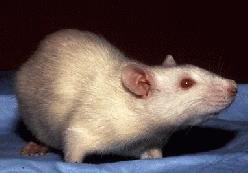
The white rat (200-250g) is the commonest laboratory animal used in experimental pharmacology. Rats are easy to breed and maintain. Resemble man in several organ function and nutrition and sensitive to most of the drugs; make them very useful experimental animals. However, they do not have a vomiting centre. The various rat tissue used is colon, stomach, uterus, caecum and vas deference. Besides these organs rat brain tissue is extensively employed in radio receptor-ligand studies. The other strains of rats are Sprague- Dawley and porton.
Albino mouse
White mice are the smallest laboratory animals used. Mice are also easy to breed and maintain. They are small in size (25-30g) and therefore, easy to breed and maintain. They are sensitive to most of the drugs used in experimental pharmacology. Mice are used extensively in toxicity study, bioassay of insulin, testing of analgesics, CNS active drugs and chemotherapeutic agents. More recently mouse brains, as well as primary cell culture ofmouse spinal cord neurons, are used in neuropharmacology for studying neurotransmitters receptor functions the other strains of mice used are laca and balb/C.
Rabbit
Domestic rabbits (2-3 kg) are generally used for pyrogen testing. Some of the tissues or organs from rabbits used are the heart, aorta, duodenum and ileum. One peculiar thing about rabbits is that they are resistant to the actions of atropine as they contain the atropine-esterase enzyme, the presence of which is genetically determined.
Frog
Frogs (150-200g) were one time extensively used in experimental pharmacology. However, recently the use of wild frogs for experimental purposes has been banned. Earlier, frogs were used for isolated heart, rectus abdominis muscle preparation, the study of muscle nerve and ciliary movements, respectively. Frogs were also used for the study of nerve block type of local anaesthetics. frogs are inexpensive and easily available, and the ban on the use of frogs has been debated.
Other animals
Cats, dogs and monkeys are used for pharmacological investigations of drugs. Cats and dogs were one time commonly used to study blood pressure experiments. But their use has been now restricted. However, beagle dogs are the only strain approved by regulatory authorities (USFDA) for preclinical testing of new drugs.
Alternatives to animal experimentation
Because of the growing concern about the use of animals in biomedical research in several countries have passed legislation to prevent or usage of animal experimentation. these include experiments with tissue and body fluids of normal animals and human use of microorganisms, primary cell culture and cell lines, use of models and computer simulation and software are being used nowadays. As per the common laboratory alternate animals.
Common Name
Scientific Name
Used In
Zebra fish
Danio rerio
Developmental assay, Drug discovery, Neurobiology, Toxicity
In spite of tremendous development in electronic devices and recording systems are followed in institutions and research laboratories. Some common instruments are used in experimental pharmacology.
Organ bath:
Source: Wikipedia
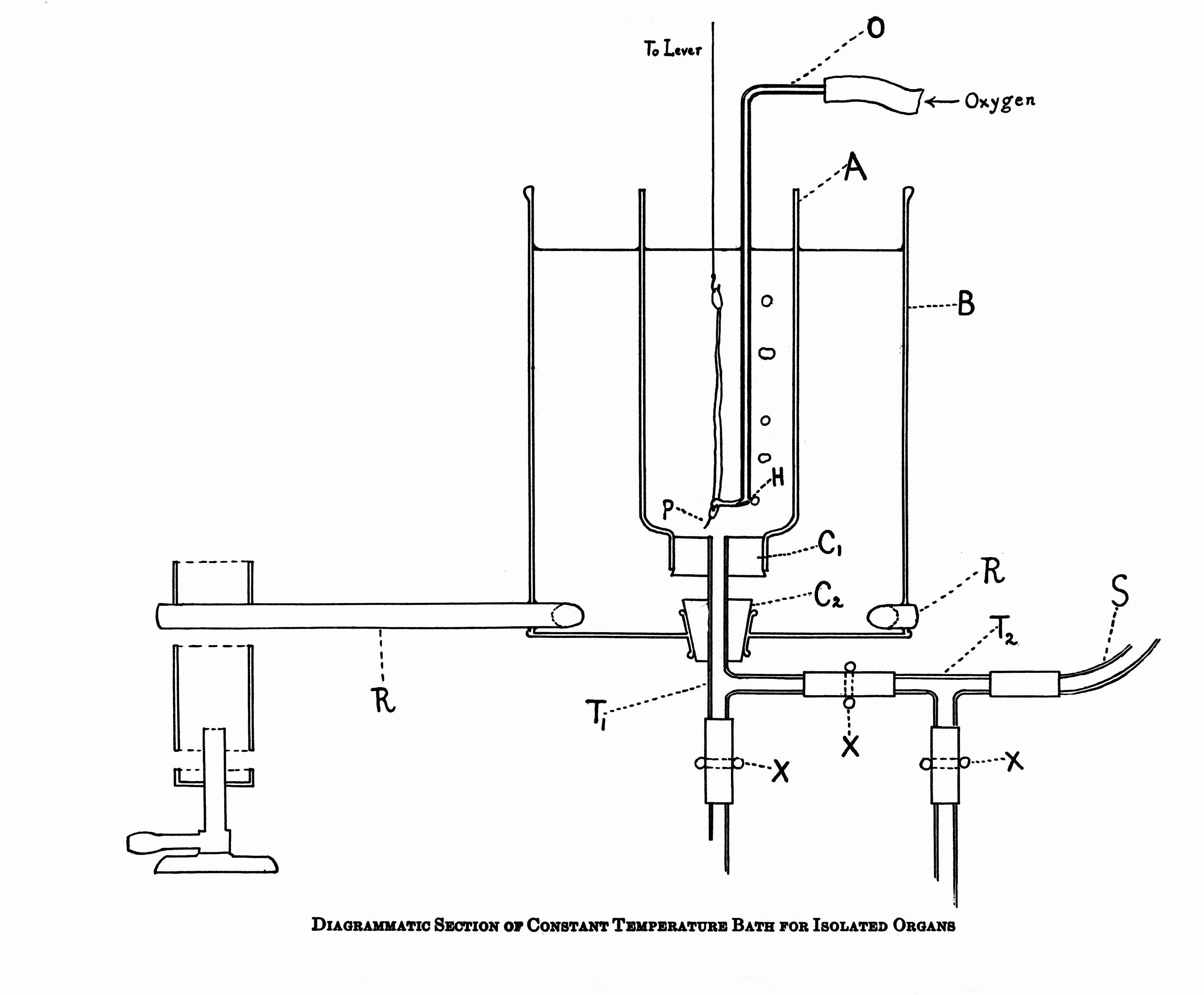
The tissue bath used to put the animal tissue for studying the drug actions is called student organ bath. This was first designed by Rudolph Magnus in 1904. The organ bath essentially consists of
An outer jacket made of up of steel or glass or Perspex.
The inner organ or tissue bath made up of glass with a capacity varying from 10 -50 ml.
Thermostatically controlled heating rod.
Stirrer to keep the water in the outer jacket at uniform temperature.
Oxygen or delivery glass tube which also serves as tissue holder.
Glass coil, one end of which is connected having the physiological salt solution. The student organ bath having two units of inner tissue bath is called double unit organ bath.
Rotarod apparatus:
Source: Wikipedia
For the study of muscle relaxant property of diazepam in mice. The loss of muscle grab is an indicator of muscle relaxation. This effect can be studied in animals using an inclined plane or rotating rods.
Actophotometer:
Source: ResearchGate
It is used to study the CNS depressant property of chlorpromazine on the locomotor activity of mice. CNS depressant drugs like alcohol reduce motor activity with the stimulants like caffeine and amphetamines increase the activity. The actophotometer operates on the photoelectric cell which is connected to the circuit with a counter.
Electro-convulsiometer:
It is used to study the anticonvulsant activity of phenytoin against electro-convusiometer induced in rats. The electric shock is applied through the corneal electrodes; it produces 5 phases such as tonic flexion, tonic extensor, clonic convulsion, stupor, and recovery/death.
Pole climbing apparatus:
It is used to study anxiolytic activity in rats and mice. The basic principles of pole climbing apparatus are based on a neurochemical mechanism of anxiety disorders drugs like benzodiazepam are used.
Analgesiometer:
Source: Solution Pharmacy YouTube Channel
It is used to study the analgesic effects of drugs in mice and rats. The inducer of pain such as heat, physio compression and chemical inducers. The basal reaction time was noted as an inference of pain sensation drugs like morphine and other NSAIDs are used.
Metabolic cage:
It is used to study the metabolic parameters such as faecal and urine for the study of purgative or laxative, animals such as rats and mice are used.
Anti Depressant Drugs are used to treat Depression. Depression is a disorder of mood and it is classified as an affective disorder. Anti Depressant Drugs are classified into two major types of depression: unipolar depression and bipolar depression. In this note, we will describe the Classification, Mechanism of Action, Adverse Effects, Therapeutic Uses, and Drug Interactions of Anti Depressants.
Anti Depressant Drugs Free Pharmacology Note – 2021
Introduction
Depression is a disorder of mood and hence it is classified as an affective disorder. There are two major types of depression: unipolar depression and bipolar depression. Unipolar depression is further sub-divided into reactive depression and endogenous depression. About 80% of depressed patients experience unipolar depression in which the mood swings in one direction only i.e. either depression with a feeling of worthlessness or depression with irritability. About 60% of unipolar depressed patients show reactive depression manifested by feelings of sadness or grief and anxiety due to reasons like the death of a loved one, unemployment, physical illness, or social problems. It is self-limiting and responds to antianxiety drugs. About 25% of unipolar patients are having endogenous depression with suicidal thoughts. It is not self-limiting unless treated with an antidepressant drug or by electroconvulsive therapy (ECT). It results either due to genetic causes or due to disturbed neurotransmission of NE, 5-HT, or DA in certain areas of the brain.
Symptoms of Depression
Symptoms of Depression includes:
Sleep disturbance
Feeling of guilt
Ugliness, and
Loss of Libido
Classification of Anti Depressant Drugs
Classification of anti depressants on the basis of Mechanism of Action is given below:
Tricyclic antidepressants (TCAs): These drugs block NE and 5-HT
NA + 5-HT reuptake inhibitors: Imipramine, Clomipramine, Amitriptyline, Doxepin
Predominantly NA reuptake inhibitors: Desipramine, Nortriptyline, Amoxapine, Reboxetine
Antidepressants of natural origin: St. John’s wort (Active principle: Hyperforin)
MAO inhibitors:
Non-selective: Tranylcypromine;
Selective: Moclobemide
Mechanism of Action of Different Anti Depressant Drugs
Mechanism of Action of different types of Anti Depressants are discussed below:
Drugs that block NE and 5-HT reuptake: These are tricyclic antidepressants. They block the reuptake of NE and 5-HT into their neuron by inhibiting respective transporters. It leads to more availability and a longer stay of NE and 5-HT at their respective receptor sites.
SNRIs: Besides the effects shown by tricyclic antidepressants, SNRIs lack α1- adrenergic, histamine H1 and cholinergic receptor blocking properties of TCAs. Hence, they have fewer side effects.
Drugs blocking NE reuptake: These drugs predominantly inhibit NE reuptake which results in increased concentration of NE in the synaptic cleft.
SSRIs: They selectively increase levels of serotonin in the synaptic cleft. They are most commonly prescribed antidepressant drugs. All antidepressants described above exhibit a lag of 2-3 weeks to produce desirable clinical effects.
Atypical antidepressants: Atypical antidepressants have different mechanisms of action. Trazodone/ Nefazodone inhibits the uptake of 5-HT, blocks the 5-HT2A receptor, and desensitizes the presynaptic 5-HT receptor. Mianserin blocks presynaptic α1-receptors and increases the release of NE in the brain. Mirtazapine acts by increasing both NE and 5-HT release. Bupropion is a weak inhibitor of neuronal reuptake of 5-HT, NE, and DA.
Antidepressants of Natural Origin: Active ingredients of St. John’s wort (Hypericum perforatum) are monoamine reuptake inhibitors, mild MAO inhibitors, and stimulants at GABA receptors.
MAO Inhibitors: MAO inhibitors increase brain amine levels by inhibiting their metabolism, resulting in the increase of NE and 5-HT. There are two isoforms of MAO: MAO-A and MAO-B.MAO inhibitors need a biological lag of 2-3 weeks to exert clinical effects.
Pharmacokinetics of Anti Depressant Drugs
Oral absorption of most antidepressant drugs is good; still, the bioavailability is uncertain because of their first-pass metabolism. Bioavailability of Citalopram and Protryptyline is90%. The plasma half-life of most antidepressants is long, hence plasma concentration is built up slowly. After reaching steady-state, one daily dose at bedtime is enough. Plasma half-life for some antidepressants is low. Amoxapine (8 hours), Nefazodone (2-4 hours), Trazodone (4-8 hours), and Venlafaxine (4-9 hours) are some examples. The half-life is longer due to their metabolites except for Fluvoxamine, Paroxetine, and Protriptyline. Among MAO inhibitors, Moclobemide is readily absorbed but its first-pass metabolism reduces bioavailability; its half-life is 1-3 hours.
Therapeutic Uses of Anti Depressant Drugs
Therapeutics uses of different anti depressants are given below:
Tricyclic Antidepressants
Nocturnal Enuresis: It is the condition of bed wetting which occurs to the children of ages of 2-3 year due to inadequate control over bladder. The treatment involves bladder training and correction of psycho pathological factors.
Bulimia Nervosa: It is a behavioral disorder in which the patient over eats then vomits or fasts to undo the threat of weight gain.
Other Uses: Tricyclic Antidepressants are also used in Migraine. They are also widely used in panic disorder, and for relieve from headache.
MAO Inhibitors
MAO inhibitors are widely used in the treatment of endogenous unipolar depression. They are also used in panic disorder, bulimia nervosa, and post traumatic reaction. They are also used as a second line when TCAs are fail to work. The Selective MAO B inhibitor selegiline is used significantly for treating Parkinsonism.
SSRIs
SSRIs like Fluoxamine and Fluoxetine are useful in treating bulimia nervosa.
SSRIs like Paroxetine or reversible MAO-A inhibitor Moclobemide are preferred for school phobia and social phobia. Paroxetine with Alprazolam are preferred for posttraumatic stress disorder. SSRIs are helpful in controlling impulse control disorder like gambling.
Atypical Depressants
Bupropion is used to treat nicotine dependence and smoking caessation.
Citalopram is used to treat ethanol abuse syndrome.
Adverse Effects of Anti Depressant Drugs
Adverse effects are dependent on the type of anti-depressant based on its mechanism of action.
TCAs which block uptake of NE or NE + 5-HT: TCAs with histamine H1 receptor blocking actions (Amitriptyline, Doxepin and Trimipramine) cause more sedation. Drugs like Maprotiline, Bupropion and Clomipramine lower seizure threshold and precipitate epileptic seizures. Drug like Amoxapine can induce extrapyarmidal effects, gynacomastia (in males) and galactorrhoea (in females).
SNRIs: These drugs have serotonergic side effects like discontinuation syndrome.
SSRIs: Some patients complain of agitation, anxiety and insomnia. Few others complain of sexual dysfunction including decreased libido and delayed ejaculaton. Nausea and loose stools are also experienced by few patients. Sudden withdrawal causes discontinuation syndrome leading to dizziness, paresthesias and headache.
MAO Inhibitors: Their adverse effects include postural hypotension (in elders), weight gain, dizziness and sexual dysfunction.
Atypical Antidepressants: Trazodone causes nausea, sedation, postural hypotension and priapism leading to impotence. Bupropion causes agitation and insomnia. Mirtazapine and Mianserin cause sedation due to histamine H1-blockade. Hepatotoxicity and blood dyscrasias have also been reported.
Drug Interection of Anti Depressant Drugs
They are classified under three categories:
Interactions with TCAs and related Drugs
TCAs potentiate effects of directly acting sympathomimetics causing rise in BP and arrhythmias; but inhibit effects of indirectly acting sympathomimetics.
Anticholinergic drugs aggravate toxicity of TCAs.
Phenytoin, Chlorpromazine and Aspirine displace TCAs from their protein binding sites leading to increased effect of TCAs.
MAO inhibitors have synergistic action with TCAs causing hypertension, arrhythmiasand seizures.
Interactions with MAO inhibitors
Food articles containing tyramine, like cheese, beer, red wine, banana, yoghurt and pickled meat when used with MAO inhibitors can cause hypertensive crisis.
MAO inhibitors with TCAs or with directly/indirectly acting sympathomimetics can cause hypertension, arrhythmias and seizures.
MAO inhibitors inhibit degradation of DA. This can result in hypertension.
MAO inhibitors retard metabolism of drugs like morphine causing severe respiratory depression. It also retards metabolism of sulfonylureas causing hypoglycaemia and that of chloroquinine causing toxicity of chloroquine.
Interactions with SSRIs
SSRIs inhibit metabolising enzymes like CYP2D6 and CYP3A4. As a result, plasma levels and toxicity of TCAs, Haloperidol, Clozapine, Warfarin, Dextromethorphan, Terfenadine, Astemizole and Cisapride are increased. Elevated levels of Terfenadine, Astemizole and Cisapride can precipitate arrhythmias.
SSRIs with MAO inhibitors result in elevated levels of 5-HT causing “serotonin syndrome” leading to hyperthermia, muscle rigidity, tremors and rapid changes in mental status along wirth cardiovascular collapse.
Disclaimer
The content of mypharmaguide.com is provided for information and educational purposes only. We are not owner of the any PDF Material/Books/Notes/Articles published in this website. No claim is made as to the accuracy or authenticity of the PDF Material/Books/Notes/Articles of the website. In no event will this site or owner be liable for the accuracy of the information contained on this website or its use. mypharmaguide.com provides freely available PDF Material/Books/Notes on the Internet or other resources like Links etc. This site does not take any responsibility and legal obligations due to illegal use and abuse of any service. No responsibility is taken for any information that may appear on any linked websites.
Conclusion
If you also want to submit your notes to help students you can contact us for submitting your notes. To contact us click here. If you find this post ” Anti Depressant Drugs Free Pharmacology Note – 2021 “ helpful then share it with your friends also.
Download our android app click here. You can find the latest versions of many pdf books, the latest collection of university question papers, MCQ Quiz test, and update via notifications. Our app is completely ad-free and no need to register in our app to use it. Why waiting to download it now from Google Play Store.
Pharmacology is a very important subject for every Medical, Pharmacy, and Nursing student. We have shared more than 100 Pharmacology Facts which will help every student to study and remember Pharmacology in a simple way. These pharmacology facts contains classification, mechanism of action, side effect, drug interaction of various drugs. Read the whole post and it will be so much helpful for everyone.
100+ Pharmacology Facts for Pharmacy, Medical and Nursing Students
Introduction
The inhalational route is the route by which the rate of drug delivery can be controlled like i.v. infusion.
Pharmacokinetics is also called ADME study as it deals with Absorption, Distribution, Metabolism, and Excretion of a drug.
Bioavailability is the fraction of administered drug that reaches the systemic circulation in the unchanged form.
Absorption and first-pass metabolism are two important determinants of bioavailability.
AUC signifies the extent of absorption whereas Tmax. tells rate of absorption.
Glucuronidation is the most common phase II metabolic reaction.
The function of phase I reactions is to attach a functional group to the drug molecule whereas phase II reactions serve to attach a conjugate to the drug molecule.
Glomerular filtration does not depend on lipid solubility.
Lithium, KI, and rifampicin are secreted in saliva.
Urine should be alkalinized for acidic drug poisoning whereas acidified for basic drug poisoning.
Half-life is a secondary pharmacokinetic parameter derived from two primary parameters; Vd and CL.
Inotropic receptors include GABAA, NM, NN, NMDA (receptors of glutamate), and 5-HT3 receptors.
Insulin, growth hormone, prolactin, and cytokines act via enzymatic receptors.
Drugs having steep DRC have a narrow therapeutic index (like barbiturates) than those having less steep curves (e.g.benzodiazepines).
In phase 1 clinical trials, The drug is tested in healthy human volunteers and we cannot determine efficacy in this phase.
Recently, Phase O trial has also been added and is known as microdose studies. This is added to expedite the marketing of the drug.
Pharmacovigilance is the science and activities relating to the detection, assessment, understanding, and prevention of adverse effects or any other possible drug-related problems.
An orphan drug is a pharmaceutical agent that has been developed specifically to treat a rare medical condition (affecting fewer than 200,000 people)
Autonomic Nervous System
Acetylcholine (ACh) is the principal neurotransmitter at the neuromuscular junction as well as at all preganglionic fibers.
Saxitoxin (obtained from dinoflagellates) is a sodium channel blocker whereas α-bungarotoxin (a component of venom of banded krait) is an irreversible antagonist at NM receptors.
Atropine is an antidote of choice for both organophosphate and carbamate poisoning.
Latanoprost causes the growth of eyelashes as an adverse effect that can be utilized for the treatment of hypotrichosis.
Apraclonidine can cause lid retraction whereas brimonidine is associated with anterior uveitis. Both of these can cause drowsiness.
Tropicamide is the shortest-acting mydriatic.
Onabotulinum toxin A has recently been approved to prevent headaches in adult patients with chronic migraines.
Trospium has minimum CNS penetration among drugs used in overactive bladder.
Solefancin is the longest-acting and oxybutynin is the shortest-acting drug among this group.
The rate-limiting enzyme in catecholamine biosynthesis is tyrosine hydroxylase.
Adrenaline is the drug of choice for anaphylactic shock.
Dopamine is the drug of choice for a cardiogenic shock with oliguric renal failure.
Mirabegron is a new drug approved for overactive bladder. It acts by stimulating b3 receptors.
Ephedrine is the vasopressor of choice in pregnancy.
Tamsulosin and silodosin have been found to cause intraoperative ‘floppy iris syndrome during cataract surgery.
Contra-indications of nonselective β-blockers: A – Asthma, B – Block (AV), C – CHF, D – Diabetes.
Autacoids
Histamine is synthesized from histidine
Histamine-induced fall in blood pressure is mediated by both H1 (early) as well as H2 (delayed and persistent) receptors.
First-generation antihistamines are contraindicated in persons requiring constant attention.
Tiprolisant is H3 inverse agonist used for Narcolepsy.
Doxepin is a tricyclic antidepressant having the most potent H1 blocking action (800 times more potent than diphenhydramine).
Terfenadine and Astemizole result in polymorphic ventricular tachycardia (Torsades de pointes) manifested as prolongation of QTc interval.
Ergot derivatives can cause dry gangrene of hands and feet and coronary vasospasm.
Sumatriptan is the drug of choice for aborting acute attacks of migraines.
Frovatriptan is the longest acting and rizatriptan is the fastest acting 5HT1B/1D agonist.
Both triptans and ergot alkaloids can cause coronary vasospasm and are contraindicated in ischemic heart disease.
Triptans and ergotamine should not be administered within 24 hours of each other.
Propanolol is the most commonly used drug for the prophylaxis of migraine attacks.
Alprostadil is used to keep ductus arteriosus patent before surgery whereas NSAIDs like aspirin and indomethacin are used for the treatment of Patent ductus arteriosus.
Misoprostol is the most specific drug whereas proton pump inhibitors are drugs of choice for the treatment of peptic ulcers due to chronic NSAID use.
The use of misoprostol in pregnancy is associated with Moebius syndrome.
The most potent agent known to cause an increase in capillary permeability is the platelet-activating factor.
Paracetamol acts by inhibiting COX-3 in the brain
Paracetamol (acetaminophen) has no anti-inflammatory activity and Nimesulide and nefopam do not act by decreasing PG synthesis
Aspirin is the only irreversible inhibitor of the COX enzyme
Aspirin is contraindicated in children (<12 yrs old) due to the increased risk of Reye’s syndrome.
Piroxicam and tenoxicam are longest acting NSAIDs due to enterohepatic cycling.
Rofecoxib and valdecoxib were withdrawn due to increased risk of thrombotic disorders like myocardial infarction.
Hydroxychloroquine is the safest DMARD in pregnancy
Colchicine is more effective and faster acting than NSAIDs
Cardiovascular System
Spironolactone is the only diuretic that decreases mortality in patients with CHF.
Digoxin and digitoxin are the only inotropic drugs available that can be given orally.
Digitalis is contra-indicated in Wolff-Parkinson-White (WPW) syndrome because it decreases the conduction through the AV node but not through the aberrant pathway.
Digitalis can cause almost any cardiac arrhythmia except Mobitz type II heart block and atrial flutter.
Nesiritide is a recombinant BNP
ACE inhibitors and ARBs are indicated for all grades of CHF unless these are contraindicated.
The combination of hydralazine and isosorbide dinitrate has also been shown to decrease mortality in patients with CHF
The most widely used beta-blocker for CHF is carvedilol followed by metoprolol and bisoprolol.
Moxonidine and rilmenidine are congeners of clonidine with longer half-lives. These drugs are selective for imidazoline receptors.
Mecamylamine is a ganglion blocker used for smoking cessation.
Phentolamine and tolazoline are drugs of choice for hypertensive emergencies in clonidine withdrawal and cheese reaction.
Hydralazine is metabolized by acetylation and thus its effect is genetically determined due to the presence of slow and fast acetylation.
Prolonged administration of sodium nitroprusside can result in accumulation of cyanide leading to toxicity particularly in patients with renal disease.
Clevidipine is an ultrashort acting DHP, recently approved for hypertensive emergencies
Bradykinin is involved in the causation of dry cough and angioedema due to ACE inhibitors.
Verapamil can cause constipation and ankle edema.
Ranolazine has no effect on heart rate and blood pressure
Pentazocine and pethidine should not be used for myocardial infarction since these agents cause tachycardia and can worsen the symptoms.
Lignocaine is the drug of choice for digitals-induced ventricular arrhythmias
Amiodarone is the longest acting whereas adenosine is the shortest acting anti-arrhythmic drug
Vernakalant is a multi-ion channel blocker recommended for converting recent-onset atrial fibrillation to normal sinus rhythm.
Lomitapide acts by inhibiting microsomal triglyceride transfer protein (MTP). This protein is necessary for VLDL assembly and secretion in the liver.
Kidney
Ethacrynic acid is a highly ototoxic diuretic.
Amiloride is the drug of choice for lithium-induced diabetes insipidus.
Aldosterone antagonists act from the interstitial site of the tubular cell whereas all other diuretics act from the luminal side.
Thiazides are used for the treatment of patients with recurrent Ca++ stones in the kidney.
Furosemide possesses vasodilatory action which is responsible for the quick relief in LVF and pulmonary edema.
Acetazolamide, dorzolamide, and brinzolamide are non-competitive but reversible inhibitors of carbonic anhydrase
Endocrinology
Nafarelin and buserelin can be administered by nasal route.
Oxidation, organification, and coupling reactions are catalyzed by the thyroid peroxidase enzyme.
Propylthiouracil is the drug of choice for hyperthyroidism in the first trimester of pregnancy and in lactation. For all other patients, methimazole is preferred.
Lispro, Glulisine, and Aspart, all contain the letter ‘s’, which means short-acting.
Insulin degludec is longest acting insulin and unlike insulin glargine, it can be mixed with other insulins too.
Sulfonylureas (except glyburide) and meglitinides (nateglinide and repaglinide) are safe in renal failure.
Metformin is the drug of choice for type 2 diabetes mellitus.
Metformin is the only oral agent that has been demonstrated to reduce macrovascular events in type 2 DM.
Dexamethasone suppression test is used to test the intactness of HPA axis function and diagnosis of Cushing’s syndrome.
Progesterone is added to hormone replacement to decrease the risk of endometrial carcinoma.
Ospemifene is a new SERM indicated for dyspareunia due to menopause
Central Nervous System
Barbiturates are absolutely contraindicated in acute intermittent porphyria
Tasimelteon is a melatonin receptor agonist (like ramelteon) indicated for the treatment of non24 hour sleep-wake disorder in totally blind.
Tolcapone inhibits COMT in the periphery as well as the brain whereas entacapone acts only in the periphery.
Pramipexole and ropinirole are long-acting and do not cause gangrene. These are now the first-choice drugs for Parkinsonism.
Pramipexole and Ropinirole are used for the treatment of restless leg syndrome
Rotigotine is a dopamine agonist that can be administered through a transdermal patch but was discontinued due to crystal formation on the patches.
Rivastigmine is approved for the treatment of dementia due to Alzheimer’s disease as well as due to Parkinsonism’s.
Penicillamine and trientine can worsen neurological symptoms in Wilson’s disease, therefore are not recommended for initial neurological therapy.
Benzodiazepines (preferably lorazepam) are the drug of choice for status epilepticus.
Eslicarbazepine is a Na+ channel blocker (like carbamazepine) indicated for adjunctive treatment of focal seizures.
Carbamazepine is the drug of choice for partial seizures and trigeminal neuralgia.
Zonisamide and topiramate can cause renal stones.
Clozapine-induced convulsions are dose-dependent adverse effects whereas agranulocytosis is independent of dose.
Prazosin decreases nightmares and improves the quality of sleep in post-traumatic stress disorder.
Mirtazapine is also known as nor-adrenergic and specific serotonergic anti-depressant (NSSA).
Bupropion is used for smoking cessation.
Naltrexone is an opioid antagonist that can be used to reduce alcohol craving.
Fentanyl is responsible for post-operative muscle rigidity whereas succinylcholine causes postoperative muscle pain and fasciculations.
Pethidine is used to reduce shivering after anesthesia
Anesthesia
Adrenaline is added to LA to make them long-acting whereas sodium bicarbonate makes them fast-acting.
Dantrolene is the drug of choice for the treatment of malignant hyperthermia and is also useful in neurolept malignant syndrome.
Rapacuronium has been withdrawn due to reports of severe bronchoconstriction
Sevoflurane, Trilene, and methoxyflurane should not be used in closed circuit
Enflurane is contra-indicated in epilepsy as it can raise intracranial tension and produce tonic-clonic seizures.
Isoflurane is an inhalational agent of choice for producing controlled hypotension.
Xenon can be considered as an ideal inhalational anesthetic
Hematology
The antidote to acute iron poisoning is desferrioxamine (i.m.) whereas, for chronic iron overload, deferiprone (oral) is preferred.
Vitamin B12 is absorbed in the terminal ileum whereas iron is absorbed in the duodenum.
Aspirin inhibits thromboxane synthesis but does not inhibit the enzyme thromboxane synthetase
Vitamin K is involved in the activation of various clotting factors (like II, VII, IX, and X) as well as anti-clotting proteins (like protein C and S)
Warfarin may lead to dermal vascular necrosis and hypercoagulation as early appearing (3-10 days after initiation of therapy) adverse effects.
Rivaroxaban and Apixaban are new oral anticoagulants that act by direct inhibition of factor Xa
Reteplase and tenecteplase are known as bolus fibrinolytic
Respiratory System
Potassium iodide acts directly (by irritating bronchial glands) as well as indirectly (by gastric irritation) to increase bronchial secretions.
The only drugs effective for the treatment of an acute attack of bronchial asthma are bronchodilators
Umeclidinium (anticholinergic) plus vilanterol (Laba) combination is recently approved for maintenance treatment of COPD.
Anticholinergic drugs are bronchodilators of choice in patients of bronchial asthma on β blocker therapy.
Theophylline is a potent vasodilator and can cause hypotension which leads to reflex tachycardia.
Children clear theophylline faster than adults (require high dose) whereas clearance of theophylline is slower in elderly, premature infants, and neonates (require less dose).
Ketotifen has antihistaminic action apart from mast cell stabilizing property.
Gastrointestinal Tract
The major role of antacids in peptic ulcers is to provide prompt relief from ulcer pain.
Recent studies have suggested an increase in the risk of hip fracture in patients taking PPI in long term.
Antihistamines (H2 blockers) are more effective for reducing basal (nocturnal) acid secretion (histamine-mediated) than stimulated acid secretion (stimulated by gastrin, ACh, as well as histamine).
Sucralfate should not be given with antacids as it polymerizes only in an acidic medium.
A combination of doxylamine (antihistaminic) with pyridoxine (Vit B6) in high dose is the safest antiemetic drug in pregnancy
Domperidone decreases l-dopa induced vomiting without interfering with its efficacy
Atropine is added to lopermide to decrease its addictive potential.
Chemotherapy
Ampicillin should be avoided in patients with viral illness particularly EBV because it can cause a rash in these patients.
Nafcillin can cause neutropenia
Ceftriaxone and cefoperazone are secreted in the bile.
Cefazolin is the drug of choice for surgical prophylaxis.
Cefotetan, cefmetazole, and cefoxitin are active against anaerobes like Bacteroides fragilis.
Aztreonam is the only beta-lactam antibiotic that can be used in patients having severe allergies to penicillins or cephalosporins.
Cycloserine has potential neurotoxic effects (tremors and seizures). It also causes neuropsychiatric symptoms.
Chloramphenicol may lead to grey baby syndrome and bone marrow suppression.
All tetracyclines are excreted primarily in the urine except doxycycline. Doxycycline is excreted in the feces and thus can be used in the presence of renal failure.
Sulfisoxazole is the most soluble sulfonamide. Thus it has a minimum risk of causing crystalluria
Cotrimoxazole is the drug of choice for pneumocystosis and nocardiosis.
Gatifloxacin has recently been withdrawn from India due to its dysglycemic effects.
Isoniazid is metabolized by ACETYLATION which is genetically controlled. Slow acetylators are predisposed to toxicity, particularly peripheral neuritis.
Rifampicin is secreted in bile, so does not require dose adjustment in renal failure.
Ethambutol and streptomycin are NOT hepatotoxic
Rifaximin is a rifampicin derivative indicated for Traveller’s diarrhea (E.coli) and hepatic encephalopathy.
Dapsone is the drug of choice for the treatment of dermatitis herpetiformis.
Fluconazole is antifungal DOC for prophylaxis whereas voriconazole is DOC for treatment of febrile neutropenia
Acyclovir is the drug of choice for H. Simplex encephalitis
Nelfinavir is the only protease inhibitor for which ritonavir boosting is not recommended.
Prolonged use of high doses of chloroquine can result in blindness due to retinal damage (Bull’s eye maculopathy).
Mefloquine is effective as a single dose treatment of malaria
Artemisinins are the fastest-acting drugs against malaria.
Liposomal amphotericin B is the treatment of choice for visceral leishmaniasis.
Miltefosine and sitamaquine can be administered orally for kala-azar.
Albendazole is the drug of choice for the treatment of all nematode infestations including cutaneous larva migrans (creeping eruption), visceral larva migrans (toxocariasis), and neurocysticercosis except Enterobius (mebendazole), wuchereria and brugia (DEC), onchocerca and Strongyloides (ivermectin), and dracunculus (Metronidazole).
Pertuzumab is a monoclonal antibody against her-2/neu. It is used in combination with trastuzumab (bind to a different region of the her-2 receptor) for metastatic breast carcinoma.
Abiraterone acts by inhibiting 17-a hydroxylase and is indicated in refractory prostate cancer
Lenalidomide is approved for the treatment of mantle cell lymphoma and multiple myeloma
Conclusion
If you also want to submit your notes to help students you can contact us for submitting your notes. To contact us click here. If you find this post ” 100+ Amazing Pharmacology Facts for Pharmacy, Medical and Nursing Students “ helpful then share it with your friends also.
Download our android app click here. You can find the latest versions of many pdf books, the latest collection of university question papers, MCQ Quiz test, and update via notifications. Our app is completely ad-free and no need to register in our app to use it. Why waiting to download it now from Google Play Store.
Anti Hyperlipidemic drugs are used to lower the levels of lipids and lipoproteins in the blood. Some examples of antihyperlipidemic are Atorvastatin, Rosuvastatin, Colestipol, Fenofibrate, Omega-3 fatty acids, etc. In this note, we will learn about the Classification of Anti Hyperlipidemic Drugs, Mechanism of Action, Adverse Effects, Therapeutic Effects, and Drug Interactions. For more study notes keep visiting MyPharmaGuide.
Introduction of Anti Hyperlipidemic Drugs
The hypolipidaemic drugs have attracted considerable attention because of their potential to prevent cardiovascular disease by retarding the accelerated atherosclerosis in hyperlipidaemic individuals.
Lipids or fats, which are usually transported in various combinations with proteins (lipoproteins), play a key role in cardiovascular disorders. Lipids, including cholesterol and triglycerides, are essential elements in the body. They are synthesized in the liver; therefore, they can never be eliminated from the body. Anti Hyperlipidemic Drugs are the group of drugs prescribed in adjuvant therapy to reduce elevated cholesterol levels in patients with high cholesterol and LDL levels in the blood
Classification of Anti Hyperlipidemic Drugs
Antihyperlipidemics are classified between the following types:
HMG-CoA reductase inhibitors (Statins): Lovastatin, Simvastatin, Pravastatin, and Atorvastatin.
Bile Acid Sequestrants (Resins): Cholestyramine and Colestipol
Fibric Acid Derivatives (Fibrates): Clofibrate, Gemfibrozil, Bezafibrate, and Fenofibrate.
Triglyceride Synthesis and Lipolysis Inhibitors: Nicotinic acid
Others: Probucol and Omega-3 fatty acids
Anti Hyperlipidemic Drugs Free Pharmacology Note – 2021
HMG-CoA Reductase Inhibitors (Statins)
Statins are the most effective and best-tolerated agents used to treat hyperlipidemia. Statins are competitive inhibitors of 3 -hydroxy-3-methylglutarylcoenzyme reductase and also the most effective and best-tolerated agents for treating hyperlipidemia. They catalyze an early, rate-limiting step in cholesterol biosynthesis. Higher doses are more potent and can even reduce the triglyceride levels caused by high VLDL levels.
Mechanism of Action
Statins are the most potent LDL reducers.
They are structural analogs of HMG-CoA
Statins competitively inhibit the HMG-CoA reductase enzyme
Statins block the rate-limiting step in hepatic cholesterol synthesis (conversion of hydroxymethyl glutaryl coenzyme A (HMG-CoA) to mevalonate by HMG-CoA reductase)
Low intracellular cholesterol stimulates the synthesis of LDL receptors
Promote uptake of LDL from the blood
Low intracellular cholesterol decrease the secretion of VLDL to the blood
Statins have direct anti-atherosclerotic effects and have been shown to prevent bone loss
Mechanism of Action of Statins
Therapeutic Uses
Therapeutics uses of Statins are given below:
Statins are used for secondary prevention of myocardial infarction and stroke in patients having the symptomatic atherosclerotic disease (e.g., angina, transient ischemic attacks, following acute myocardial infarction or stroke).
They are used for the primary prevention of arterial disease in patients having high risk due to increased serum cholesterol concentration, specifically when there are other risk factors for atherosclerosis.
Serum cholesterol levels can be lowered by atorvastatin in patients with homozygous familial hypercholesterolemia.
A bile acid-binding resin is added to treatment with a statin in cases of severe drug-resistant dyslipidemia (e.g., heterozygous familial hypercholesterolemia).
Adverse Effects
All statins are remarkably well tolerated; the overall incidence of side effects not differing from placebo. Notable side effects are: Gastrointestinal complaints and headaches are usually mild. Rashes and sleep disturbances are uncommon. The rise in serum transaminase can occur, but liver damage is rare. Monitoring of liver function is recommended.
Individual Drugs
Atorvastatin: This newer and most popular statin is more potent and appears to have the highest LDL-CH lowering efficacy at a maximal daily dose of 80 mg. At this dose, a greater reduction in TGs is noted if the same was raised at baseline. Atorvastatin has a much longer plasma t½ of 18– 24 hr than other statins and has additional antioxidant property.
Lovastatin: It is the first clinically used statin; is lipophilic and given orally in the precursor lactone form. Absorption is incomplete and first-pass metabolism is extensive. Metabolites are excreted mainly in bile. The t½ is short (1–4 hours).
Simvastatin: It is twice as potent as lovastatin; also more efficacious. A greater rise in HDLCH (when low) has been noted with simvastatin than lovastatin or pravastatin. Like lovastatin, it is lipophilic and given in the lactone precursor form. Oral absorption is better and first-pass metabolism extensive; t½ is 2–3 hr.
Bile Acid Sequestrants (Resins)
Mechanism of Action
Bile acid sequestrants are polymeric compounds that act as ion exchange resins. They exchange anions (like Cl− ions) for bile acids by binding with bile acid and sequestering them from enterohepatic circulation. They are not well-absorbed from the gut into the bloodstream because they have large polymeric structures. Therefore, the bile acid sequestrants along with the bile acid bound to the drug, are excreted via feces after passing through the gastrointestinal tract.
Therapeutic Uses
Bile acid sequestrants are used for the treatment of hypercholesterolemia and dyslipidemia as they help in decreasing cholesterol levels.
For patients with chronic liver diseases, bile acid sequestrants may be used for the prevention of pruritus.
They are also used in the treatment of diarrhea caused by excess bile salts entering the colon rather than being absorbed in the end of the small intestine.
Adverse Effects
Bile acid sequestrants do not have any systemic side effects because they are designed to stay in the gut. However, they may cause problems like constipation, diarrhea, and flatulence in the gastrointestinal tract.
Individual Drug
Cholestyramine: Cholestyramine acts by preventing the reabsorption of bile in the gastrointestinal tract. It binds to bile as it is a strong anion exchange resin that can exchange its chloride anions with anionic bile acids in the GIT and bind them in the resin matrix strongly.
Fibric Acid Derivatives (Fibrates)
The fibrates (isobutyric acid derivatives) primarily activate lipoprotein lipase which is a key enzyme in the degradation of VLDL resulting in lowering of circulating TGs.
Mechanism of Action
The mechanism of action of fibrates is not completely understood but it is believed that they increase peripheral clearance and reduce hepatic triglyceride synthesis. The effects given by fibrates on blood lipids depend on their binding to Peroxisome Proliferators Activator Receptors (PPARs), which regulate gene transcription. alpha, beta, and gamma are the three PPAR isotopes that have been identified. Fibrates act as agonists for the nuclear transcription factor Peroxisome Proliferators-Activated Receptor-alpha (PPAR-alpha), at the molecular level. This mechanism is used by fibrates for the downregulation of the apolipoprotein C-III (apo C-III) gene and up-regulation of the genes for apolipoprotein A -I (apo A-I), fatty acid transport protein, fatty acid oxidation, and LPL. Thus, VLDL triglycerides get reduced due to the enhanced catabolism of triglycerides by LPL along with enhanced fatty acid oxidation.
Therapeutic Uses
Therapeutic uses of fibrates are given in the below list
Fibrates (gemfibrozil) are the first -line of drugs for patients with type III hyperlipidemia or familial dysbetalipoproteinemia.
They are used to treat mixed hyperlipidemia, wherein the predominant abnormality is hypertriglyceridemia (in combination with resins), and to treat moderate to severe hypertriglyceridemia.
They are used with statins in patients with a high risk of CHD and mixed hyperlipidemia. But because of the increased risk of myopathy, careful safety monitoring is required.
Adverse Effects
Generally, fibrates do not give any adverse reaction and are well-tolerated in most patients. But in some patients, minor side -effects like GI disturbance symptoms like abdominal pain, diarrhea, and nausea may be seen that are corrected by the discontinuation of the treatment. An important but rare adverse effect of fibrates is myositis with muscle pain and tenderness and elevated creatinine kinase levels. Fibrates are contraindicated in patients with renal dysfunction, as they get accumulated in the kidney leading to the enhanced frequency of adverse effects specially myositis.
Individual Drugs
Clofibrate: Clofibrate enhances lipoprotein triglyceride lipolysis by increasing the activity of extrahepatic Lipoprotein Lipase (LL). Degradation of chylomicrons converts VLDLs to LDLs, which are further converted into HD Ls. These changes occur by a minor increase in the secretion of lipids into bile and finally in the intestine.
Triglyceride Synthesis and Lipolysis Inhibitors
Nicotinic Acid (Niacin)
Nicotinic acid is an organic compound that belongs to the pyridine carboxylic acids group of compounds. At high concentrations, this drug gives cholesterol and triglyceride-lowering effects, resulting in a decrease of LDLs and VLDLs and an increase in HDLs.
Mechanism Of Action
Nicotinic acid helps in the inhibition of the release of free fatty acids from adipose tissue and enhances lipoprotein activity. It results in an increased rate of triglyceride removal from plasma. These actions decrease the total LDL (bad cholesterol) and triglyceride levels, causing increased HDLs (good cholesterol).
Therapeutic Uses
Nicotinic acid is not used therapeutically due to its side effects but sometimes can be prescribed as an adjunct to diet for treatment of high serum triglyceride levels in adult patients who have a risk of pancreatitis, and who do not respond properly to dietary control.
Adverse Effects
The major adverse effects of nicotinic acid are headache, anxiety, hypotension, dry skin, flushing or burning of the skin, peptic ulcer, and abnormal liver function tests. Other mild adverse effects are hyperuricemia, glucose intolerance, nausea, vomiting, diarrhea, hyperglycemia, and elevated plasma uric acid.
Probucol
It helps in the reduction of LDL and HDL levels, but shows minute effects on serum-triglyceride or VLDL cholesterol levels.
Mechanism of Action
Probucol acts by increasing the fractional rate of LDL catabolism in the final metabolic pathway for cholesterol elimination from the body. This results in the reduction of serum cholesterol level s. It can also inhibit the early stages of cholesterol biosynthesis and slightly inhibit dietary cholesterol absorption. According to recent studies, probucol can also control atherogenesis as it may inhibit the oxidation and tissue deposition of LDL cholesterol.
Therapeutic Uses Probucol is used to lower LDL and HDL cholesterol levels.
Adverse Effects The common adverse effects of probucol are dizziness or fainting and fast or irregular heartbeat. Some rarely occurring adverse effects are swellings on the face, hands, or feet, or in the mouth, unusual bleeding or bruising, and unusual tiredness or weakness.
Other Anti Hyperlipidemic Drugs
Some rarely used anti hyperlipidemic drugs are omega-3 fatty acids (fish oils).
Mechanism Of Action
Hepatic VLDL triglyceride synthesis is reduced by omega -3 fatty acids, thus, reducing the plasma triglyceride levels. Secretion of VLDL apo B is reduced at high doses of omega -3 fatty acids. The triglyceride levels are reduced at low doses of omega -3 fatty acids, but LDL cholesterol levels may rise due to the conversion of VLDL to LDL -HDL cholesterol. Because of the decrease in thromboxane synthesis, fish oils also have antiplatelet aggregatory activity. Plasma fibrinogen levels are also reduced.
Adverse Effects
The most common side effect of fish oils is nausea. However, their long-term use has no obvious side effect.
Therapeutic Uses
Therapeutic uses are listed below:
Fish oils, available as gelatin capsules are used in severe hypertriglyceridemia along with fibrates.
Fish oils along with statins (LDL-C may increase during monotherapy, thus they should not be used alone) are helpful in patients having mixed hyperlipidemia with a slight increase in triglycerides.
Disclaimer
The content of mypharmaguide.com is provided for information and educational purposes only. We are not owner of the any PDF Material/Books/Notes/Articles published in this website. No claim is made as to the accuracy or authenticity of the PDF Material/Books/Notes/Articles of the website. In no event will this site or owner be liable for the accuracy of the information contained on this website or its use. mypharmaguide.com provides freely available PDF Material/Books/Notes on the Internet or other resources like Links etc. This site does not take any responsibility and legal obligations due to illegal use and abuse of any service. No responsibility is taken for any information that may appear on any linked websites.
Conclusion
If you also want to submit your notes to help students you can contact us for submitting your notes. To contact us click here. If you find this post ” Anti Hyperlipidemic Drugs Free Pharmacology Note – 2021 “ helpful then share it with your friends also.
Download our android app click here. You can find the latest versions of many pdf books, the latest collection of university question papers, MCQ Quiz test, and update via notifications. Our app is completely ad-free and no need to register in our app to use it. Why waiting to download it now from Google Play Store.
Antiarrhythmic Drugs are used to treat Arrhythmia. Arrhythmia is a problem with the rate or rhythm of the heartbeat. During an arrhythmia, the heart can beat too fast, too slow, or with an irregular rhythm. In this Note, we are going to discuss Classification, Mechanism of Action, Adverse effect, therapeutic effect, and drug interactions of Antiarrhythmic drugs.
What is Arrhythmia and What is Antiarrhythmic Drugs ?
Arrhythmia is a common disorder of cardiac excitation. During an arrhythmia, the heart can beat too fast, too slow, or with an irregular rhythm. A heartbeat that is too fast is called tachycardia and A heartbeat that is too slow is called bradycardia.
There are four types of Arrhythmia and they are
Atrial fibrillation,
Bradycardia
Tachycardia
Ventricular arrhythmia
Symptoms of Arrhythmia includes
Shortness of breath
Feeling tired or light-headed
Rapid thumping in chest or palpitations
Chest pain
Losing consciousness
Antiarrhythmic drugs are used to control or correct cardiac rhythm. The ultimate goal of antiarrhythmic drug therapy is to restore normal rhythm and conduction. When it is not possible to revert to normal sinus rhythm, drugs may be used to prevent more serious and possibly l lethal arrhythmias from occurring. Antiarrhythmic drugs are used to: decrease or increase conduction velocity, alter the excitability of cardiac cells by changing the duration of the effective refractory period, suppress abnormal automaticity
Classifications of Antiarrhythmatics
The classification of these drugs are given in the below table
Class
Mechanism
Example
I. Sodium Channel Blockers
Reduce phase 0 slope and peak of action potential.
IA. Moderate
A moderate reduction in phase 0 slope; increase APD; increase ERP
Quinidine, Procainamide
IB. Weak
A small reduction in phase 0 slope; reduce APD; decrease ERP.
Lidocaine, Phenytoin
IC. Strong
Pronounced reduction in phase 0 slope; no effect on APD or ERP
Flecainide, Flecainide
II. β-Blockers
Block sympathetic activity; reduce rate and conduction.
Propranolol and Metoprolol
III. Potassium Channel Blocker
Delay repolarisation (phase 3) and thereby increase action potential duration and effective refractory period
Amiodaron and Bretylium.
IV. Calcium Channel Blockers
Block L-type calcium -channels; most effective at SA and AV nodes; reduce the rate and conduction
Verapamil, Diltiazem, and Nifedipine
Classes of Antiarrhythmic Drugs
Antiarrhythmic Drugs – Sodium Channel Blockers
Sodium channel blockers are the most widely used antiarrhythmic agents. They act by blocking myocardial Na+ion channels. They are mainly used for the treatment of supraventricular, nodal, and ventricular arrhythmias, especially after MI and DC shock.
Mechanism of Action
Antiarrhythmic activity of sodium channel blockers is due to:
A decrease in the inflow of sodium during phase 0 slows the maximum rate of depolarisation
Decrease in excitability and conduction velocity
Prolongation of the effective refractory period
Decrease in the slope of phase 4 spontaneous depolarization (automaticity).
Therapeutic Uses
Therapeutic uses of the Sodium Channel Blockers are given below:
Treatment of supraventricular, nodal, and ventricular arrhythmias, especially after MI and DC shock.
After treatment of atrial flutter and fibrillation to maintain sinus rhythm.
Adverse Effect
The adverse effects of sodium channel blockers are marked depression of AV conduction, hypotension, bradycardia, anorexia, nausea, and vomiting.
Moderate (Class IA)
These drugs slow the rate of rising of action potential and prolong the duration of the action potential. They block Na+ ion channels and prolong the repolarisation time.
Quinidine: Quinidine binds to open and inactivated Na+ ion channels to prevent the influx of Na+ ions; thus slowing down the rapid upstroke during phase 0. It also reduces the slope of phase 4 spontaneous depolarisation and inhibits potassium channels. These actions result in slow conduction velocity and increased refractoriness.
Procainamide: Procainamide stabilizes the neuronal membrane by inhibiting the ionic fluxes required for the initiation and conduction of impulses, thereby effecting local anesthetic action.
Weak (Class IB)
The characteristic effects of these drugs are reduced rate of rising of action potential and reduced or unchanged APD ( Action Potential Duration). The drugs of Class IB rapidly associate and dissociate from the sodium channels. Thus, their actions are manifested when the cardiac cells are depolarised or firing rapidly.
Lidocaine: It is a local anesthetic that shortens phase 3 repolarisation and decreases the duration of action potential . Lidocaine is useful in treating ventricular arrhythmias. It was the drug of choice for the emergency treatment of cardiac arrhythmias. It does not slow down conduction, thus has a little effect on the AV junction arrhythmia. Lidocaine in higher doses causes cardiac and CNS manifestations. SA nodal arrest and hypotension may also occur. Paraesthesia, tremor (facial twitching), vomiting, lightheadedness, slurred speech, and convulsions also occur commonly.
Phenytoin: It is an antiepileptic drug used in tonic-clonic seizures. It produces unique cardiac electrophysiological effects, thus is used in digoxin-induced arrhythmia.
Strong (Class IC)
Drugs of this class are powerful blockers of fast Na + ion channels, and thus reduce upstroke of AP in normal and diseased myocardium. There is delayed inactivation of slow Na+ ion channels during the downslope of AP, and this results in the prolongation of APD. In addition, there is inhibition of delayed rectifier K+ current (less K + efflux), so the APD is prolonged in His Bundle and Purkinje fiber system.
Flecainide: It blocks Na+ and K+ ion channels in normal and ischemic myocardium, thus slowing down the recovery of blocked Na+ ion channels. It further slows down the conduction of electrical impulses in the heart, i.e., reduces excitability.
Propafenone: It blocks fast Na+ ion channels and gives a mild βblocking action (1/10 of propranolol) and class -IV action (Ca ++ ion channel blockage). QT interval does not change but QRS and PR intervals are prolonged. It is effective orally and is metabolized by CYP 2D6 (in persons with CYP 2D6 deficiency, it is slowly metabolized).
Antiarrhythmic Drugs – β -Blockers
The β-blockers or β-adrenergic receptor blockers produce some important electrophysiological effects. They are highly effective in arrhythmias in which excess catecholamine plays a role after MI, CHF, pheochromocytoma, anxiety, anesthesia and postoperative period, exercise, and mitral valve prolapse. Excess of cAMP is considered to be responsible for causing ischemia induced ventricular fibrillation.
Mechanism of Action
Reduction in intracellular Ca ++ ions leads to reduced phase 2 of AP. There is a reduction in SA nodal automaticity, slowing of conduction, and prolongation of ERP (Effective Refractive Period ) in the AV node. They counteract catecholamine-induced after depolarisations (arrhythmias) by reducing cAMP and Ca ++ ion accumulation. Beta-blockers are also effective prophylactically in suppressing supraventricular tachycardia because they suppress the automaticity of ectopic foci and slow AV nodal conduction, thereby reducing ventricular response in atrial fibrillation. They reduce cardiac contractility and blood pressure.
Therapeutic Uses
At present beta-blockers are considered to be better antiarrhythmic agents because they improve survival, have a broader spectrum of antiarrhythmic action, and are comparatively safer. In addition , they act synergistically with many other antiarrhythmic agents reducing their arrhythmogenic potential.
Adverse Effect
Some common adverse effects of β-blockers are:
Worsening of CHF
Bronchospasm
Cardiac conduction blocks
Bradycardia
Peripheral vasospasm
Insomnia
Hypotension
Antiarrhythmic Drugs – Potassium Channel Blockers
Class III agents block K+ ion channels, thus the outward potassium current during re-polarisation of cardiac cells diminishes. These agents prolong the duration of action potential without altering phase 0 of depolarisation or the resting membrane potential. They prolong the effective refractory period and increase refractoriness. All class III drugs have the potential to induce arrhythmias.
Mechanism of Action
Blocking of K+ ion channels in phase 3 of the action potential reduce the efflux of K+ ions from the myocyte; thus slowing down the repolarisation rate of the cell and increasing the length of the plateau phase of the action potential. These actions result in an increase of the refractory period of atrial, ventricular and Purkinje cells as well as the increase of the QT interval.
Therapeutic Uses
Potassium channel blockers are used to treat:
Recurrent ventricular fibrillation
Unstable ventricular tachycardia
Atrial fibrillation
Adverse Effects
Common adverse effects of potassium channel blockers are pulmonary fibrosis, photosensitivity, corneal micro-deposits, hypothyroidism, and peripheral neuropathy, AV block, bradycardia, ventricular arrhythmia s, bronchospasm, and severe hypotension.
Antiarrhythmic Drugs – Calcium Channel Blockers
The drugs included in CCBs are verapamil, diltiazem, and bepridil (blocks Na+ ion channels also).
Mechanism of Action
CCBs block the slow in ward calcium channels, and slow down the conduction through the AV node
Therapeutic Uses
CCBs are used to treat atrial fibrillation and flutter, prinzmetal and variant angina and unstable or chronic stable angina pectoris, and hypertension.
Adverse Effects
CCBs give rise to dizziness, hypotension, bradycardia, edema, constipation, AV block, ventricular systole, ventricular fibrillation, and nausea.
Disclaimer
The content of mypharmaguide.com is provided for information and educational purposes only. We are not owner of the any PDF Material/Books/Notes/Articles published in this website. No claim is made as to the accuracy or authenticity of the PDF Material/Books/Notes/Articles of the website. In no event will this site or owner be liable for the accuracy of the information contained on this website or its use. mypharmaguide.com provides freely available PDF Material/Books/Notes on the Internet or other resources like Links etc. This site does not take any responsibility and legal obligations due to illegal use and abuse of any service. No responsibility is taken for any information that may appear on any linked websites.
Conclusion
If you also want to submit your notes to help students you can contact us for submitting your notes. To contact us click here. If you find this post ”Antiarrhythmic Drugs Free Pharmacology Note – 2021“ helpful then share it with your friends also.
Download our android app click here. You can find the latest versions of many pdf books, the latest collection of university question papers, MCQ Quiz test, and update via notifications. Our app is completely ad-free and no need to register in our app to use it. Why waiting to download it now from Google Play Store.
Antianginal drugs are used to treat Angina Pectoris (chest pain) which is a symptom of ischemic heart disease. Due to anigina pectoris heart do no get the required amount of oxygen and nutrients and fails to work to properly. In this Note, we will learn about the Classification, Mechanism of Action, Adverse Effects, Advantages and Drug Interection of antianginal drugs.
Antianginal Drugs Free Pharmacology Notes – 2021
What is Angina Pectoris ?
Anginal pectoris disease affect the coronary arteries which supply oxygenated blood from left ventricle to heart tissues. In angina pectoris the lumen of artery become restricted and it becomes less efficient in supplying the blood and oxygen to heart called as ischemia.
The following two types of angina are mainly seen: 1) Classic Angina (Angina of Exercise): This angina pain occurs w hen the demand of oxygen exceeds the s upply of oxygen, most commonly due to diminished coronary flow. 2) Vasospastic (Prinzmetal’s or Variant) Angina: This angina pain occurs at rest and is characterised by reversible coronary vasospasm , which in turn reduces the supply of oxygen
Some individuals however show mixed angina, characterised by both exercise induced and resting attacks of angina.
Symptoms of Angina Pectoris includes:
Weakness
Heartburn
Cramping
Indigestion
Sweating
Nausea
Shortness of breath
Classification of Antianginal Drugs
The antianginal drugs are are classified between the following types:
Nitrates:
Short acting: Glyceryl trinitrate (GTN)
Long acting: Isosorbide dinitrate, Isosorbide mononitrate ,Erythrityl tetranitrate, Pentaerythrityl tetranitrate
Organic nitrites and nitrates are simple nitric and nitrous acid esters of glycerol having different volatilities (e.g., isosorbide dinitrate and isosorbide mononitrate are solids at room temperature, nitroglycerine is moderately volatile, and amyl nitrite is highly volatile). These compounds are used in angina pectoris. They rapidly reduce the myocardial oxygen demand, followed by rapid relief of symptoms. They are effective in classic as well as in variant angina pectoris.
Mechanism of Action
Nitrates inhibit coronary vasoconstriction or spasm as a result of which perfusion of the myocardium increases, thus, relieving vasospastic angina. Nitrates also cause venodilation, resulting in decreased preload and myocardial oxygen consumption. Due to this action, nitrates are effectively used in classic angina
Mechanism of Action of Nitrates
Therapeutic Uses
Therapeutic uses of Nitrates are given below:
Angina pectoris
Acute coronary syndromes
Myocardial infarction (MI)
CHF and acute LVF
Biliary colic
Esophageal spasm
Cynaide poisoning
Adverse Effect
The most common toxic effects of nitrates are the responses evoked by vasodilation.
These include tachycardia (from the baroreceptor reflex)
Orthostatic hypotension (a direct extension of the venodilator effect), and
Throbbing headache from meningeal artery vasodilatation.
Drug Interection
Nitrates + Sildenafil can lead to severe hypotension, myocardial infarction and death.
Antianginal Drugs – Calcium Channel Blockers
Calcium channel blockers invariably block L-type Ca2+ channel, and decrease heart rate, contracitility and conduction velocity. They also reduce left-ventricular filling pressure, which reduces workload and overall oxygen demand of the heart.
Mechanism of Action
Calcium channel blockers act by blocking the voltage -sensitive calcium channels. They act on the inner side of the membrane and bind to the channels in depolarized membrane . As a result of drug binding , the channels open rarely after depolarization. A marked decrease in trans membrane Ca2+ion current relaxes the smooth muscles.
Therapeutic Action
Calcium channel blockers are used for the treatment of stable as well as variant angina. In variant angina, they cause relaxation of coronary artery spasm , thus increasing the cardiac oxygen supply; while in stable angina, they cause relaxation of peripheral arterioles, resulting in decreased after load and cardiac oxygen demand. Verapamil and Diltiazem moderately reduce oxygen demand by suppressing the heart rate and contractility.
Adverse Effects
Calcium channel blockers give rise to cardiovascular adverse effects. Blood pressure reduces due to dilation of peripheral arterioles , resulting in induced reflex tachycardia. This reaction mainly occurs with nifedipine and rarely with verapamil and diltiazem. Due to their suppressant effects on the heart, verapamil and diltiazem should be used carefully in patients taking β-blockers and suffering from bradycardia, heart failure, or AV block.
Antianginal Drugs – β Blockers
β blockers are the drugs that block the action of cathecholamines through β receptors. Some β Blockers drugs are Timolol, metoprolol, atenolol, and propranolol.
Mechanism of Action
The β-adrenergic antagonists decrease the oxygen demand by reducing the heart rate. They oppose sympathetic stimulation , which increases heart rate, contraction force, and oxygen rate.
Therapeutic Effect
The β-adrenergic antagonists in combination with nitrates are used for the treatment of angina pectoris. Persistent angina can be trea ted using drugs from two or more classes, i.e., β adrenergic blockers combined with long -acting nitrates or calcium channel blockers. The β-adrenergic antagonists due to their antihypertensive action are ideal for patients having hypertension and coronary artery disease. They are the drugs of choice for the prophylaxis of chronic angina
Adverse Effects
The adverse effects of β-adrenergic antagonists are hypotension, bradycardia, insomnia (inability to sleep), bizarre dreams, diminished sex drive, impotence, and depression.
Antianginal Drugs – Potassium Channel Openers
The potassium channel openers which were used earlier for the treatment of severe hypertension and hypertensive eme rgencies are minoxidil and diazoxide; but use of these agents has been reduced after synthesis of some novel potassium channel openers, like nicorandil, pinacidil, and cromakalim.
Mechanism of Action
These drug opens the ATP – sensitive K channels
Opening of this leads to hyper polarization
Followed by closing of calcium channels
Less intracellular calcium — muscle relaxation
Therapeutic Uses
Potassium channel openers are used in patients who have undergone optimal management with other d rugs, but still remain symptomatic, often while they await surgery or angioplasty.
Adverse Effects
Common adverse effects o f potassium channel openers are flushing, palpitation, weakness, headache, mouth ulcers, nausea, and vomiting.
Newer Antianginal Drugs
Some new antianginal drugs are discussed below:
Ranolazine: This drug reduces the number of angina episodes per week and increases exercise tolerance. These benefits were however moderate and smaller in women than in men.
Trimetazidine: It is an anti -ischemic (anti-anginal) metabolic agent. It improves myocardial glucose utilization by inhibiting fatty acid metabolism.
Dipyridamole: It is a powerful coronary dilator; increases total coronary flow by preventing uptake and degradation of adenosine.
Conclusion
If you also want to submit your notes to help students you can contact us for submitting your notes. To contact us click here. If you find this post ”Antianginal Drugs Free Pharmacology Notes – 2021“ helpful then share it with your friends also.
Download our android app click here. You can find the latest versions of many pdf books, the latest collection of university question papers, MCQ Quiz test, and update via notifications. Our app is completely ad-free and no need to register in our app to use it. Why waiting to download it now from Google Play Store.
Antiparkinsonian Drugs or agents are used to treat Parkinson’s disease or Parkinsonism’s. Parkinsonism is a progressive neurodegenerative disorder that affecting mostly older peoples. In this post, we going to discuss Antiparkinosian agents, their classification, mechanism of action, and adverse effects of these agents. At the end of this post, there is a Download button from where you can also download the note you read.
As we already told above that Parkinsonism is a progressive neurodegenerative disorder that mostly affects older peoples. It is an extrapyramidal motor disorder characterized by rigidity, tremor, and hypokinesia with secondary manifestations like defective posture, gait, and mask-like face.
Symptoms of Parkinson’s Disease
Symptoms of Parkinson’s disease are given below:
Pill rolling tremors
Akathesia: Inability to sit still
Rigidity
Kinesias (akinesia, bradykinesia)
Unstable (stooped) posture
No arm swinging in rhythm with legs
Sialorrhea: profused salivary secretion
Masked facial expression
Symptoms of Parkinson’s Disease (Antiparkinsonian Drugs)
Classification of Antiparkinsonian Drugs
Antiparkisonian drugs are classsified between two types Drugs affecting Brain dopaminergic System and Drugs Affecting Brain Cholinergic System. Detailed classification in given in the below list.
Central anticholinergics: Trihexyphenidyl, Procyclidine, Biperiden
Antihistaminics: Orphenadrine, Promethazine
Dopamine Precursor- Levodopa
Levodopa is widely used for the treatment of all types of Parkinsonism, except the one which is associated with antipsychotic therapy. All clinical manifestations respond to the combination of Levodopa with Carbidopa. Rigidity, bradykinesia, abnormalities of posture, and locomotion respond well to the combination while tremors are less responsive. The therapy started with a small dose of Carbidopa 25 mg + Levodopa 100 mg (1:4 ratio) three times a day, 1 hour before meals. The dose of Levodopa is increased up to 250 mg (1:10 ratio) gradually. If necessary, a dopamine agonist like Bromocriptine may be added.
Mechanism of Action
Levodopa is an immediate precursor for transmitter DA which is stored and released as a transmitter.
Image Credit: Solution Pharmacy YouTube Channel ( Mechanism of Action of Antiparkinsonian Drugs )
Pharmacological Actions
Pharmacological actions of Levodopa on Parkinson’s disease are given below.
Action on CNS
Hypokinesia and Rigidity resolved
Secondary Symptoms of Posture, Gait, Handwriting, Speech, Facial Expression, Mood, Selfcare and interest in life are generally normalized
Action on CVS: Acts on β Receptors produces central action.
Postural Hypotension
CTZ: Triggers the center leading to nausea and Vomiting
Endocrine:
Mammotropes- Inhibit Prolactin Release
Somatotropes- Increase GH Release
Adverse effects
Levodopa may cause mydriasis and may precipitate an attack of glaucoma in some patients. Abnormalities in smell/taste, hot flushes, and precipitation of gout may occur. Mild but transient increase in blood urea, serum transaminases, alkaline phosphatize and bilirubin may also be observed.
Dose
2-3 gm/day (LEVOPA 0.5gm Tablet)
Peripheral Decarboxylase Inhibitors
Mechanism of Action
Administered along with levodopa and it increase its t½ in periphery and make more DA available to cross along with the BBB
Levodopa+ Carbidopa= Co-careldopa
Advantages
Plasma t½ ↑, the dose is reduced
Cardiac complications are minimized
Pyridoxine reversal of Levodopa effect does not occur
The ‘On-off ‘ effect is minimized since levels of DA sustained.
The degree of improvement also higher
Dose
TIDOMET-LS : 10mg Carbidopa +100mg Levodopa
Dopaminergic Agonists
These drugs directly stimulate DA receptors and do not depend on the formation of DA from Levodopa. They have the following advantages:
They do not require metabolic conversion to DA.
They do not depend on the functional integrity of dopaminergic neurons.
They have a longer duration of action and lesser on-off phenomenon as compared to Levodopa.
They are more selective than Levodopa on DA receptors.
They are less likely to generate damaging free radicals.
Mechanism of Action
Selective activation of DA receptors in dopaminergic tract particularly on D2 receptors. Eg. Bromocriptine
Pharmacokinetics
A – Orally
D – in major organ brain and its capillaries
M – liver , t½= 6-10hrs.
E – in Urine
Side Effects
Side effects of these drugs contains Vomiting, Hallucinations, Hypotension, Nasal Stiffness, Conjunctival infection, Fall in BP
Inhibitors of the enzyme MAO-B are useful to treat PD. Selegiline is an irreversible inhibitor of MAO-B, an enzyme in dopaminergic neurons responsible for the metabolism of DA. It makes more DA available for stimulation of its receptors. Initially, Selegiline may be used alone. Later, it is used along with Levodopa + Carbidopa to minimize the problem of dyskinesia associated with long-term use of Levodopa. Selegiline may cause insomnia. It should not be coadministered with TCAs and SSRIs for the risk of acute toxic reactions like hyperpyrexia, agitation, delirium, and coma. Selegiline is available as 5 mg tablet: SELGIN, SALERIN, ELEGELIN
COMT Inhibitors
Mechanism of action: COMT plays a role in the degradation of DA in brain as well, COMT INHIBITORS could preserve DA formed in the striatum and supplement the peripheral effect eg: entacapone acts only in the periphery (due to short duration of action) , For tolcapone also the central action is less important.
Pharmacokinetics: A- Orally D- By binding with plasma albumin M- in the liver by cytochrome P450 E- in Faeces and Urine
Side effects: Nausea, Vomiting, Dyskinesia, Hallucination Dose: Entacapone: 200mg with each dose of levedopa and carbidopa Tolcapone: 100-200mg BD or TDS
Dopamine Facilitator
Mechanism of action: It appears to act by promoting presynaptic synthesis and release of DA in the brain. Action on glutamate receptors through which the striatal dopaminergic system exerts its influence has also been suggested eg: AMANTADINE Side effects: These are not generally serious: insomnia, dizziness, confusion, nightmares, rarely hallucination. Dose: Fixed doses of 100mg BD is used
Central Acting Anticholinergics
Mechanism of action: They act by reducing the unbalanced cholinergic activity in the striatum of parkinsonian patients, similarly H1 antagonist act as central acting anticholinergics Side effects: Impairment of memory and organic confusional states are more common in elders
If you also want to submit your notes to help students you can contact us for submitting your notes. To contact us click here. If you find this post ”Antiparkinsonian Drugs Free Pharmacology Notes – 2021“ helpful then share it with your friends also.
Download our android app click here. You can find the latest versions of many pdf books, the latest collection of university question papers, MCQ Quiz test, and update via notifications. Our app is completely ad-free and no need to register in our app to use it. Why waiting to download it now from Google Play Store.
Antipsychotics are the drugs that are used in Psychosis. Psychosis is a mental disorder that may be a result of Schizophrenia. Schizophrenia is a mental disorder that affects a person’s ability to think, feel and behave clearly. The exact reason behind Schizophrenia is still unknown but there are three hypotheses, based on neurotransmitters used to explain the pathogenesis of schizophrenia. In this note, we will learn about different antipsychotic drugs, their mechanism of action, they have any side effects or not. Read the full note for complete details about Antipsychotic drugs.
Antipsychotics Free Pharmacology Notes – 2021
What are Antipsychotics ?
Antipsychotics are the drugs that work against Psychosis which may be a result of mental disorders like Schizophrenia. The exact reason behind the Schizophrenia but researchers give three hypotheses which may the reason behind Schizophrenia.
Dopamine Hypothesis
The dopamine hypothesis was put forward by Arvid Carlsson. It is believed that Dopamine abnormality is the basis for most of the manifestations of schizophrenic patients. An excess amount of dopamine in some areas of the brain is considered responsible for schizophrenia. Typical antipsychotic drugs like Haloperidol bind to D2 receptors of DA. However, dopamine antagonists are not a cure for all schizophrenics. Probably, other neurotransmitters are involved.
5-HT/Serotonin Hypothesis
The role of 5-HT in schizophrenia is based on the finding that LSD, a central 5-HT2 receptor agonists produce hallucinations and sensory disturbances, which are symptoms. observed in psychosis. Atypical neuroleptics like Clozapine and Olanzapine are potent 5-HT2A receptor antagonists. These receptors modulate the release of DA in some areas of the brain. Hence, both 5-HT and DA hypotheses for schizophrenia are compatible.
Glutamate Hypothesis
The involvement of glutamate is based on the finding that glutamate-NMDA receptor antagonists like Phencyclidine and Ketamine when administered to a normal subject, produce psychotic symptoms like hallucinations and thought disorders. In addition, reduced glutamate densities have been reported in the brains of schizophrenics. Drugs which may enhance NMDA receptor activity may be useful in treating schizophrenia.
Classification of Antipsychotics
Antipsychotic drugs are classified between Typical or First Generation Antipsychotics and Atypical or Second-Generation Antipsychotics.
Typical or First Generation Antipsychotic Drugs
Typical antipsychotic drugs are further classified into:
Phenothiazines: Phenothiazines have many effects, including Central Nervous System depression, autonomic nervous system depression (antiadrenergic and anticholinergic effects), antiemetic effects, lowering of body temperature, hypersensitivity reactions, and others. They are further sub-classified based on side chains attached to phenothiazines.
Aliphatic side chain: Chlorpromazine
Piperidine side chain: Thioridazine
Piperazine as side chain: Trifluoperazine, Perfenazine, Fluphenazine
Typical or First generation antipsychotics act as antagonist at brain dopamine D2 receptors.
Typical antipsychotic drugs also blocks the muscarinic acetylcholine receptors, anti histamine receptors, and alpha adrenoceptors.
Atypical Antipsychotic Agents
Atypical or Second-generation antipsychotic agent is predominant antagonism of 5-HT2A receptors with a lesser degree antagonism of dopamine D2 receptors.
Atypical antipsychotic agents have efficacy against negative symptoms especially clonazepam.
All antipsychotic drugs exhibit a latent period of 2-3 weeks for attaining therapeutic effects. The majority of them are given orally; however, their bioavailability increases tenfold when given by the intramuscular route.
Therapeutic Uses
Antipsychotic agents are usually use in three type of indications.
Psychiatric indications: They are primarily used to treat schizophrenia. In addition, they are also used to treat drug-induced psychoses like delusions associated with LSD, Amphetamine-induced psychoses, and delirium following infectious psychoses. They are also used to treat schizoaffective disorders in which schizo refers to schizophrenia and affective refers to mania.
Neuro-psychiatric indications: It involves use in Tourette’s syndrome which is marked by tics, grunts, and vocalizations that are frequently obscene. Haloperidol and Pimozide are preferred for this condition. In addition, they are also useful for Huntington’s disease which involves progressive choreoathetosis and dementia. Haloperidol and Chlorpromazine are preferred for this condition.
Non-psychiatric indications: All antipsychotics have antiemetic effects of varying degrees. It is due to the blockade of the D2receptor in CTZ as well as in GIT. Prochlorpromazine is preferred for this purpose. Antipsychotic like Promethazine is used as a pre-operative sedative since it has antihistaminic, anticholinergic and antiemetic effects also. Droperidol is a short-acting antipsychotic with antiemetic, sedative, and anticonvulsant effects. Parenteral chlorpromazine or Haloperidol is useful in controlling intractable hiccups.
Adverse Effects
Adverse Effects of Typical or First Generation Antipsychotics
Extrapyramidal Motor Effects: Due to Dopamine D2 receptors blockade in the nigrostriatal pathway.
Acute dystonia
Akathisia
Parkinsonism
Tardive Dyskinesia
Endocrine Effects: Due to blockade of dopamine D2 receptor in tuberohypophyseal pathway that increase the release of prolactin.
Gynaecomastia
Galactorrhoea
amenorrhea in women
sexual disinfection or infertility in men
Adverse Cardiac Effects
Increased risk for cerebrovascular events and all- cause mortality in dementia patients.
Lowers seizure threshold.
Increased triglycerides
Hyperglycaemia
Adverse effects of Atypical or Second Generation Antipsychotics
Extrapyramidal Motor Effects
Considerably less compared to typical antipsychotics
Blockage of 5-HT2A receptors increases dopamine in the striatum preventing extrapyramidal effects.
Cardiotoxicity: Less associated with QT prolongation at therapeutic doses
High risk of new onset diabetes and diabetes ketoacidosis esp. with clozapine and olanzapine
Agranulocytosis common with clozapine esp. in first 6 months
Drug Interactions
Drug interactions of Antipsychotic drugs are given in the below table
Drug
Effects
Antacids
Decreased absorption of antipsychotic drugs
Anticholinergics
Increased anticholinergic effects
Alcohol
More sedation
Antithyroid drugs
Increased risk of agranulocytosis (with Clozapine)
Barbiturates
Decreased antipsychotic effects, more sedation
Carbamazepine/Phenytoin
Decreased antipsychotic effects and lowering of seizure threshold
Chloroquine
May precipitate extrapyramidal symptoms with Phenothiazines
Lithium
Enhancement of neurotoxicity and precipitation of NMS (Haloperidol)
Levodopa
Decreased efficacy of neuroleptics
Oral contraceptives
May potentiate hyperprolactinemia
Cigarette smoking
Increased metabolism of antipsychotics; higher dose needed
Drug interactions with antipsychotic drugs
Preparations of various antipsychotic drugs are given in below table
If you also want to submit your notes to help students you can contact us for submitting your notes. To contact us click here. If you find this post ”Antipsychotics Free Pharmacology Notes – 2021“ helpful then share it with your friends also.
Download our android app click here. You can find the latest versions of many pdf books, the latest collection of university question papers, MCQ Quiz test, and update via notifications. Our app is completely ad-free and no need to register in our app to use it. Why waiting to download it now from Google Play Store.
In this topic “Route of Drug Administration” we are going to discuss the different types of Routes from where we can administrate the drugs. There are many ways to administrate a drug like the Parenteral route, Oral route, Local route, systemic route, and many other routes. In this post, we will do a detailed discussion on these routes and the advantages, disadvantages of these routes.
Routes of Drug Administration
What is Route of Drug Administration
Route of drug administrations refers to the starting point of the body from where the drug will be introduced to the body and will be reached the target organ or system to show its effects. Most of these drugs can be administrated via different routes and they also depend on different factors
Factors Affecting Route of Drug Administration
There are many routes of drug administration and it is depend on many factors also. The factors that effect on the route of drug administration are given below:
The physical and chemical properties of drug molecules affect the routes for drug administration.
The site for the desired action also affects the routes
The route for administration of the drug also depends upon the condition of the patient. The route can change for unconscious, vomiting, diarrhea patients.
The age of the patient is also an important factor.
The route also depends on the usage type of the drug. This can be changed on emergency usages or routine usages.
Effects of gastric pH, digestive enzymes, and first-pass metabolism also affect the route of drug administration.
Different Routes of Drug Administrations
There are different type of routes for drug administration. There are mainly two different routes 1. Local Route and 2. Systemic Route.
Different routes of drug administrations
Oral Routes
Drugs absorption via oral administration can be quite variable. Dosage form design may also be used modify the rate of absorption.
Advantages of Oral Drug Administration
Drugs administrated via Oral routes are safe, cheap and easy to take.
Drug administration via oral routes are very convenient.
Variety of dosage forms are available for oral administration.
Disadvantages of Oral Drug Administration
Sometimes inefficient – high dose or low solubility drugs may suffer poor availability, only part of the dose may be absorbed. Griseofulvin was reformulated about 1970 to include the drug as a micronized powder. The recommended dose at that time was decreased by a factor of two because of the improved bioavailability.
First-pass effect – drugs absorbed orally are transported to the general circulation via the liver. Thus drugs that are extensively metabolized will be metabolized in the liver during absorption.
Food – Food and G-I motility can affect drug absorption. Often patient instructions include a direction to take with food or take on an empty stomach. Absorption is slower with food for tetracyclines and penicillins, etc. However, for propranolol bioavailability is higher after food, and for griseofulvin, absorption is higher after a fatty meal.
Local effect – Antibiotics may kill normal gut flora and allow overgrowth of fungal varieties. Thus, antifungal agents may be included with an antibiotic.
Unconscious patient – The patient must be able to swallow solid dosage forms. Liquids may be given by tube
Buccal and Sublingual
Some of the drugs are taken as smaller tablets that are held in the mouth or under the tongue. These are buccal or sublingual dosage forms. Buccal tablets are usually harder tablets [4 hour disintegration time], designed to dissolve slowly. Nitroglycerin, as a softer sublingual tablet [2 min disintegration time], may be used for the rapid relief of angina. This Route of Administration is also used for some steroids such as testosterone and oxytocin. Nicotine-containing chewing gum may be used for cigarette smoking replacement.
Advantages
First pass – In this route, the Liver is bypassed so there is no loss of drug by the first-pass effect like the Oral administration route for buccal or sublingual administration. Bioavailability is higher also.
Rapid absorption – Because of the good blood supply to the area of absorption is usually quite rapid, especially for drugs with good lipid solubility.
Drug stability – pH in mouth relatively neutral (cf. stomach – acidic). Thus the drug may be more stable.
Disadvantages
Holding the dose in the mouth is somewhat difficult. If any part of the dose is swallowed mistakenly then that portion must be treated as an oral dose and it will be then subject to first pass metabolism.
Usually Buccal and Sublingual routes more suitable for drugs with small doses.
Drug taste may need to be masked
Rectal
Drugs are given by the rectal route of drug administration are most commonly given as suppository or enema. Some of the drugs that are given by this route include aspirin, theophylline, chlorpromazine, and some barbiturates.
Advantages
By-pass liver – Some (but not all) of the veins draining the rectum lead directly to the general circulation thus bypassing the liver. Therefore there may be a reduced first-pass effect.
Useful – This route may be most useful for patients unable to take drugs orally or with younger children.
Disadvantages
Erratic absorption – Drug absorption from a suppository is often incomplete and erratic. However, for some drugs, it is quite useful. There is research being conducted to look at methods of improving the extent and variability of rectal administration. Absorption from solutions used as an enema may be more reliable.
Intravenous
Drugs that are given via Intravenous are usually given into a peripheral vein. Rapid injections are used to treat epileptic seizures, acute asthma, or cardiac arrhythmias.
Advantages
Rapid – A quick response is possible for the drugs that are given via the Intravenous route. Plasma concentration can be precisely controlled using IV infusion administration.
Total dose – The whole dose is delivered to the bloodstream that is given via the Intravenous route. That is the bioavailability is generally considered to 100% after IV administration.
Disadvantages
Finding Suitable vein – It may be difficult to find a suitable vein to give the drug via the Intravenous route. There may be also some tissue damage at the site of injection if it is not given carefully.
Maybe toxic – As the drugs administrated via the Intravenous show the rapid response, toxicity can be a problem with rapid drug administrations.
Requires trained personnel – Trained personnel are required to give intravenous injections.
Expensive – Sterility, pyrogen testing, and larger volume of solvent mean greater cost for preparation, transport, and storage.
Subcutaneous
By Subcutaneous method the drugs are given under the skin. Insulin Injection is given to the patients via this route of administration.
Advantages
Drugs of this route can be given by the patient.
Absorption can be fast from an aqueous solution but slower with depot formulations. Absorption is usually complete. Improved by massage or heat. Vasoconstrictor may be added to reduce the absorption of a local anesthetic agent, thereby prolonging its effect at the site of interest.
Disadvantages
Can be painful. Finding suitable sites for repeat injection can be a problem.
Irritant drugs can cause local tissue damage.
Maximum of 2 ml injection thus often small doses limit use.
Intramuscular
Advantages
A larger volume than Subcutaneous can be given by Intramuscular. They may be easier to administer than intravenous injections.
A depot or sustained release effect is possible with the intramuscular injections, e.g. procaine penicillin
Disadvantages
Trained personnel required to give injections via Intramuscular routes.
Absorption can be rapid from an aqueous solution. Absorption is sometimes erratic, especially for poorly soluble drugs,e.g. diazepam, phenytoin. The solvent may be absorbed faster than the drug causing precipitation of the drug at the site of injection.
Sometime this method can be painful
Inhalation
Inhalation may be used for local effects like bronchodilators. Inhalation can also be use for systemic effects like general anesthesia. Drugs taken via Inhalation shows rapid absorption as it by pass the liver.
Topical
Local effect – ear drops, eye drops or ointment, antiseptic creams and ointments, sunscreens, callous removal products, etc.
Systemic effect – e.g., nitroglycerin ointment
Generally, absorption is quite slow. Absorption through the skin especially via cuts and abrasions or from sites where the skin is quite thin can be quite marked. This can be a real problem in handling toxic materials in the laboratory or pharmacy. This can also be a serious problem with garden chemicals.
Effect of Route of Drug Administration on Initiation of Effect of Drugs
Route of administration
Time
Intravenous
30 – 60 sec
Intraosseous
30 – 60 sec
Endotracheal
2 – 3 min
Inhalation
2 – 3 min
Sublingual
3 – 5 min
Intramuscular
10 – 20 min
Subcutaneous
15 – 30 min
Rectal
5 – 3 min
Oral
39 – 90 min
Transdermal or Topical
mins to hours
Conclusion
If you also want to submit your notes to help students you can contact us for submitting your notes. To contact us click here. If you find this post ”Route Of Drug Administration Free Pharmacology Note – 2021“ helpful then share it with your friends also.
Download our android app click here. You can find the latest versions of many pdf books, the latest collection of university question papers, MCQ Quiz test, and update via notifications. Our app is completely ad-free and no need to register in our app to use it. Why waiting to download it now from Google Play Store.